Natural teeth come in different shades, and their colour can change over time. Before choosing a cosmetic procedure, it helps to understand whether you are seeing surface stains, a change within a tooth or a change affecting just one tooth.
Surface stains and changes within the tooth
Coffee, tea, red wine and tobacco can leave surface stains. Plaque and tartar may make the colour look more uneven. Professional cleaning can be a useful first step: it removes deposits and lets your dentist assess the natural shade of your teeth.
Some changes do not disappear with cleaning. Enamel can become thinner with age, making the dentine beneath it more visible. An injury or certain medicines taken while teeth are developing can also affect their colour.
When a consultation matters
If a single tooth has darkened, especially after an injury, do not treat it as just a cosmetic issue. Your dentist can check the tooth and establish the cause before discussing its appearance.
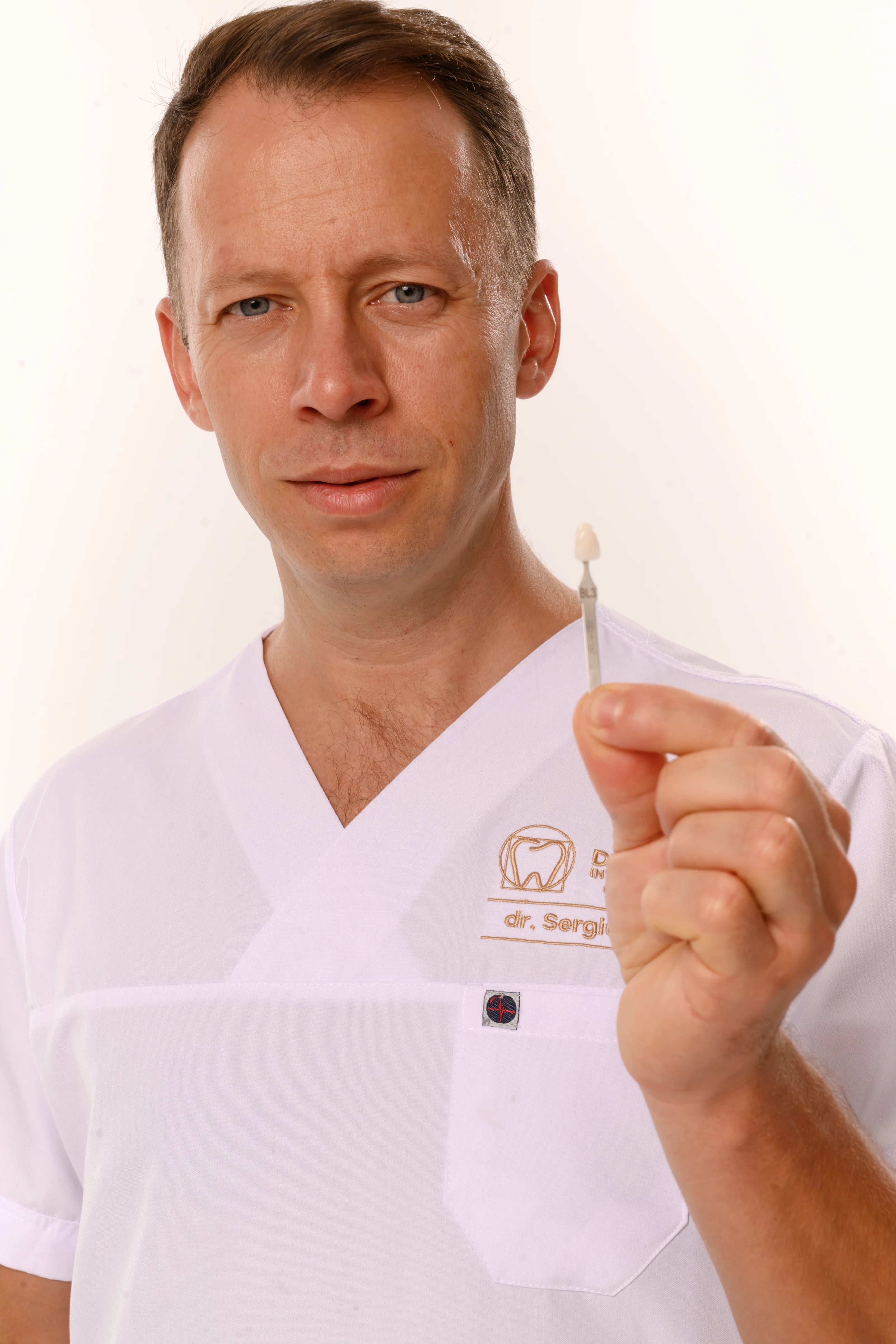
An examination is also useful if you are unhappy with the shade of several teeth. Decay, inflamed gums, sensitivity and existing restorations may affect the recommendation. A shade guide helps set a realistic goal without promising the same shade for everyone.
Cleaning or whitening?
Cleaning removes deposits and some external stains; whitening uses a whitening agent to lighten natural teeth. They are not interchangeable. Crowns, veneers and fillings do not whiten like natural teeth, so your dentist needs to account for them in the cosmetic plan.
Whitening may cause temporary sensitivity or gum irritation. The method and timing are chosen after assessing your dental health. Avoid trying to speed up a slow result by overusing whitening products.
Sources and further reading
This article provides general information and does not replace a dental consultation.